Breeds Miscellaneous
Pyrenean Mastiff
Also known as Mastín del Pirineo
The Pyrenean Mastiff developed in the Spanish Pyrenees of Aragon and Navarra, where it traveled with flocks during seasonal migrations and guarded them from wolves and bears. As predators and traditional transhumance declined, so did the breed, until Spanish enthusiasts organized to preserve it in the 1970s. It is calm and gentle with its family and naturally watchful.
At a glance
- Origin
- Spain
- Developed
- Centuries old
- Bred for
- Guarding flocks from wolves and bears in the Pyrenees
- Height
- 28–31+ in
- Weight
- 120–220 lb
- Life span
- 10–13 years
- Size
- Giant
- Coat
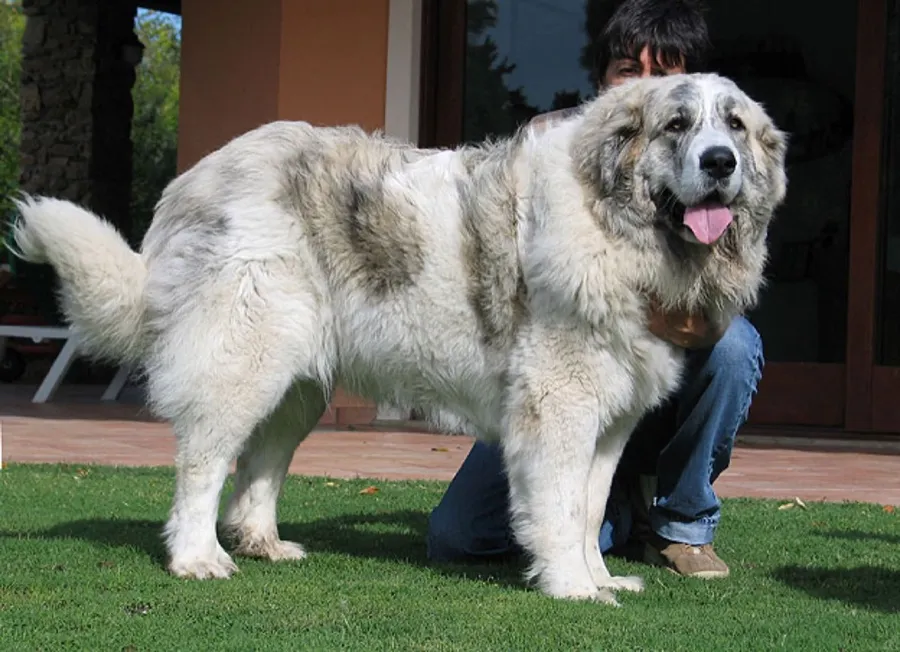
- Thick, medium-length coat; white with a clearly defined mask and markings in gray, gold, brown, black, or beige
- Grooming
- Moderate
- Shedding
- Heavy
- Exercise
- Moderate daily walks and room to patrol
- Recognized by
- American Kennel Club, United Kennel Club, Fédération Cynologique Internationale
Good to know
Like most livestock guardians, Pyrenean Mastiffs think independently and are naturally reserved with strangers, so start socialization and gentle training early. Their size means planning for space, cost, and joint care as they grow.
Health considerations
- Hip dysplasia
- Elbow dysplasia
- Bloat (gastric dilatation-volvulus)
Conditions breed clubs commonly screen for. Not every dog will have them. Ask your veterinarian about your own dog.
Did you know?
Shepherds traditionally fitted these dogs with a spiked iron collar called a carlanca to protect their throats from wolves.
Miscellaneous group
Breeds working toward full AKC recognition. They can compete in some AKC events while their breed clubs complete the requirements.
Every Pyrenean Mastiff is an individual.
Breed traits are tendencies, not guarantees. Your dog's genetics, early life, health, and everyday experiences all shape who they are. If you'd like help understanding the dog in front of you, let's talk.
Start a conversation