Breeds Herding
Pumi
Also known as Hungarian Pumi
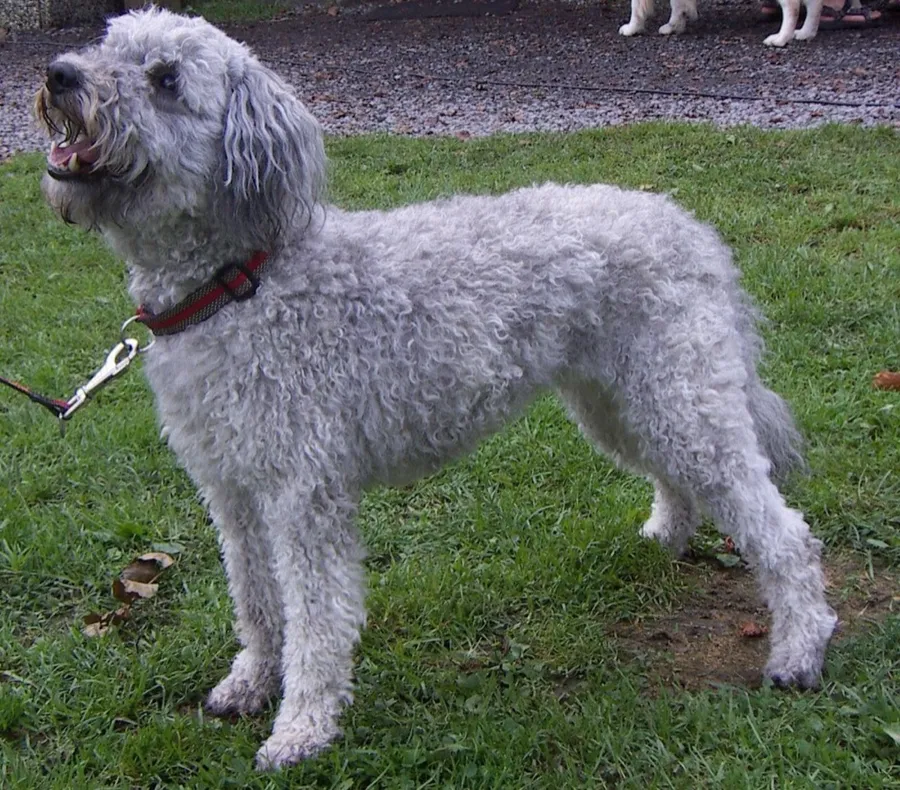
The Pumi developed in western Hungary, likely from crosses between the Puli and terrier-type dogs from Germany and France. It was used to drive livestock on the small, enclosed pastures of the region. Pumis are energetic, curious, and expressive, with a whimsical look thanks to their curly coat and semi-erect ears.
At a glance
- Origin
- Hungary
- Developed
- 1600s–1700s
- Bred for
- Herding cattle, sheep, and pigs on smaller pastures
- Height
- 15–18.5 in
- Weight
- 22–29 lb
- Life span
- 12–13 years
- Size
- Medium
- Coat
- Wavy to curly, medium-length coat that forms corkscrew curls; gray, black, white, or fawn
- Grooming
- Moderate
- Shedding
- Minimal
- Exercise
- 1 hour or more a day of activity plus training
- Recognized by
- American Kennel Club, United Kennel Club, Fédération Cynologique Internationale, Canadian Kennel Club, The Kennel Club (UK)
Good to know
Pumis are vocal and active, so teaching a quiet cue and providing daily exercise and mental challenges helps. Their coat should be combed and trimmed periodically, but it does not need to be brushed out daily.
Health considerations
- Hip dysplasia
- Patellar luxation
- Degenerative myelopathy
Conditions breed clubs commonly screen for. Not every dog will have them. Ask your veterinarian about your own dog.
Did you know?
The Pumi's semi-erect ears with tipped-over tops are one of its most recognizable features, and owners often describe the breed's look as perpetually curious.
Herding group
Dogs developed to gather, drive, and protect livestock. Usually intelligent, responsive, and energetic, with a strong instinct to control movement.
Every Pumi is an individual.
Breed traits are tendencies, not guarantees. Your dog's genetics, early life, health, and everyday experiences all shape who they are. If you'd like help understanding the dog in front of you, let's talk.
Start a conversation