Breeds Miscellaneous
Alaskan Klee Kai
Also known as Klee Kai, AKK
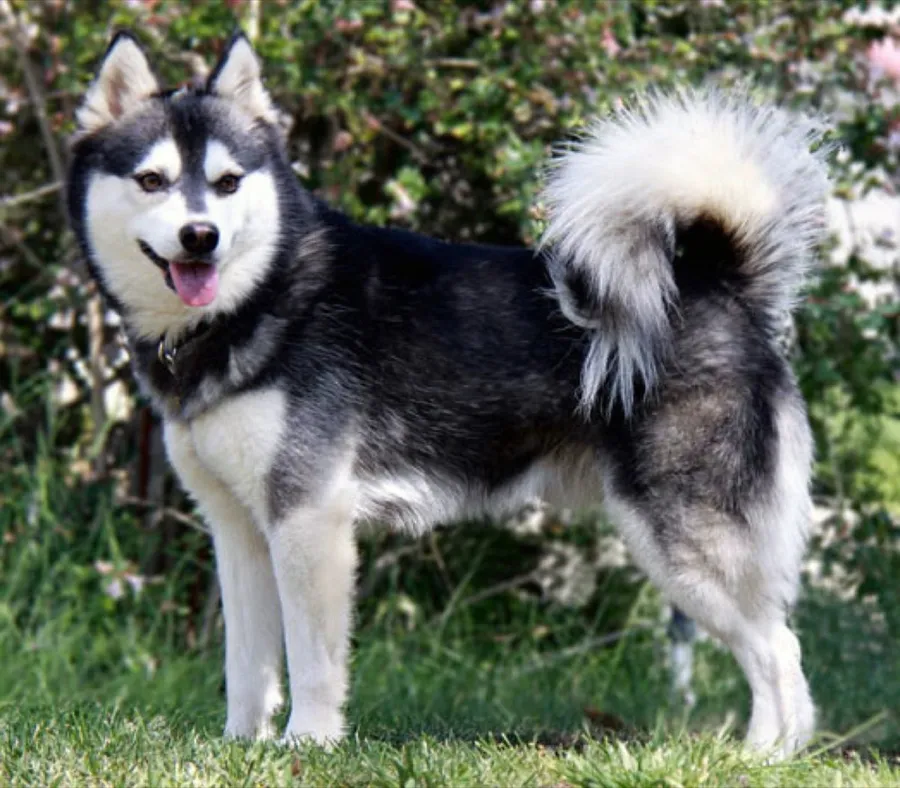
The Alaskan Klee Kai was developed in Alaska by Linda Spurlin beginning in the 1970s, using Alaskan and Siberian Huskies with smaller breeds to create a companion-sized dog with a sled-dog appearance. The breed comes in three sizes: Toy, Miniature, and Standard. Klee Kai are lively and devoted to their families but often reserved with unfamiliar people.
At a glance
- Origin
- United States (Alaska)
- Developed
- 1970s
- Bred for
- Companionship, as a smaller dog with a northern sled-dog look
- Height
- 12–17.5 in
- Weight
- 10–20 lb
- Life span
- 13–16 years
- Size
- Small
- Coat
- Medium-length double coat in black and white, gray and white, or red and white, with a facial mask
- Grooming
- Moderate
- Shedding
- Seasonal
- Exercise
- About an hour a day, plus puzzle play and training games
- Recognized by
- American Kennel Club, United Kennel Club
Good to know
Early, gentle socialization with new people and places helps this naturally cautious breed feel confident. They are vocal, quick learners who do best with plenty of daily activity and engaging, game-based training.
Health considerations
- Patellar luxation
- Juvenile cataracts
- Factor VII deficiency
- Cardiac issues
Conditions breed clubs commonly screen for. Not every dog will have them. Ask your veterinarian about your own dog.
Did you know?
“Klee kai” is drawn from Inuit-related words meaning “small dog.”
Miscellaneous group
Breeds working toward full AKC recognition. They can compete in some AKC events while their breed clubs complete the requirements.
Every Alaskan Klee Kai is an individual.
Breed traits are tendencies, not guarantees. Your dog's genetics, early life, health, and everyday experiences all shape who they are. If you'd like help understanding the dog in front of you, let's talk.
Start a conversation