Breeds Miscellaneous
Peruvian Inca Orchid
Also known as Peruvian Hairless Dog, Perro Sin Pelo del Perú, PIO
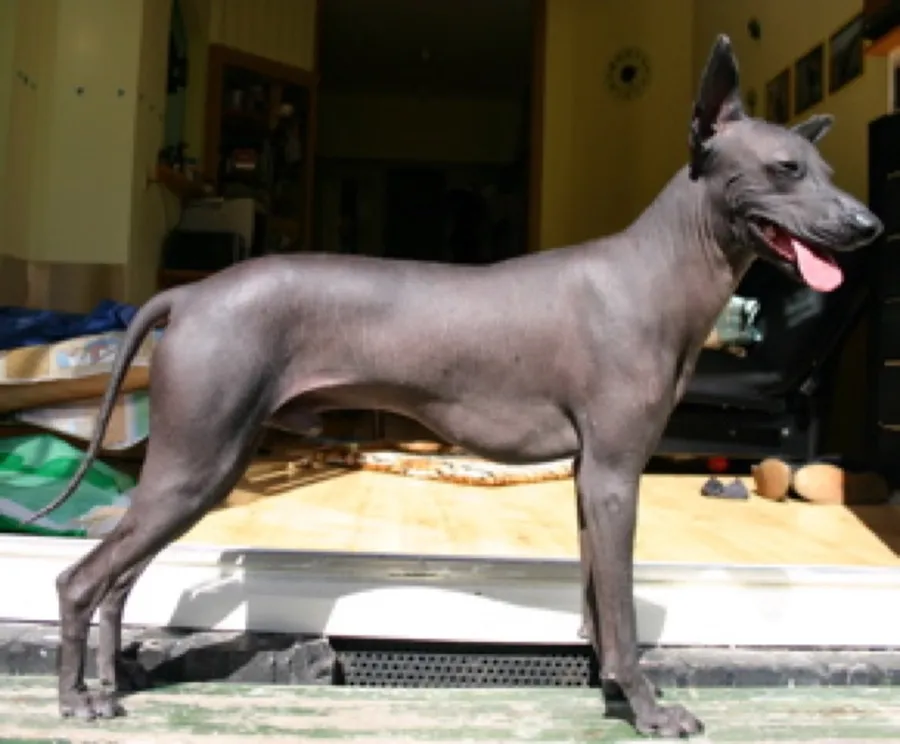
The Peruvian Inca Orchid is an ancient breed from Peru that appears on pottery made by the Moche and other pre-Inca cultures. It comes in small, medium, and large sizes, and in hairless and coated varieties. Graceful and sighthound-like, it is affectionate with family and watchful with strangers. AKC has approved it to join the Hound Group on December 30, 2026.
At a glance
- Origin
- Peru
- Developed
- Ancient; depicted in pre-Inca art
- Bred for
- Companionship and sighthound-style hunting
- Height
- 10–26 in
- Weight
- 8.5–55 lb
- Life span
- 12–14 years
- Size
- Medium
- Coat
- Hairless (sometimes with short tufts on the head, feet, and tail) or coated; skin and coat in many colors
- Grooming
- Low
- Shedding
- Minimal
- Exercise
- 30–60 minutes a day, with sun protection for hairless dogs
- Recognized by
- American Kennel Club, United Kennel Club, Fédération Cynologique Internationale
Good to know
Hairless dogs need sunscreen or clothing in sun and cold, plus regular skin care. Hairless PIOs often have missing or irregular teeth, so dental care is important.
Health considerations
- Missing or irregular teeth (hairless)
- Skin sensitivity and sunburn
Conditions breed clubs commonly screen for. Not every dog will have them. Ask your veterinarian about your own dog.
Did you know?
Peru declared the Peruvian Hairless Dog part of its national heritage in 2001.
Miscellaneous group
Breeds working toward full AKC recognition. They can compete in some AKC events while their breed clubs complete the requirements.
Every Peruvian Inca Orchid is an individual.
Breed traits are tendencies, not guarantees. Your dog's genetics, early life, health, and everyday experiences all shape who they are. If you'd like help understanding the dog in front of you, let's talk.
Start a conversation