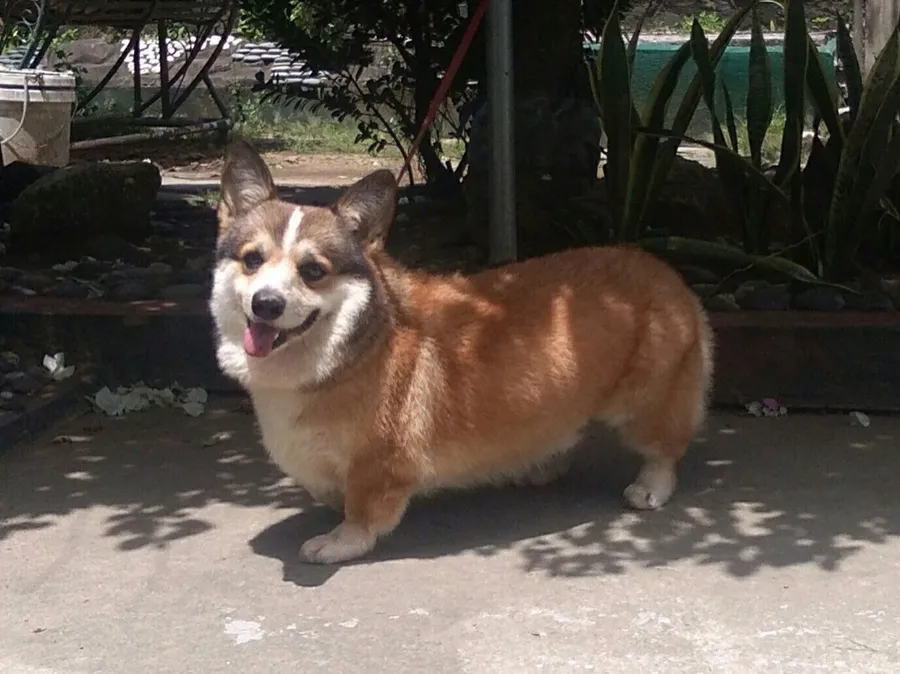
Breeds Herding
Pembroke Welsh Corgi
Also known as Pembroke, Corgi
The Pembroke Welsh Corgi was developed in Pembrokeshire, Wales, as a cattle-herding dog that drove livestock by nipping at heels. The Pembroke and Cardigan were shown as a single breed until the British Kennel Club separated them in 1934. Pembrokes are bold, friendly, and famously expressive, with a fox-like face and upright ears.
At a glance
- Origin
- Wales
- Developed
- 1100s (tradition); breed separated from the Cardigan in 1934
- Bred for
- Herding cattle, sheep, and horses
- Height
- 10–12 in
- Weight
- Up to 30 lb
- Life span
- 12–13 years
- Size
- Small
- Coat
- Medium-length, weather-resistant double coat; red, sable, fawn, or black and tan, with or without white
- Grooming
- Moderate
- Shedding
- Heavy
- Exercise
- About 1 hour a day of walks and play
- Recognized by
- American Kennel Club, United Kennel Club, Fédération Cynologique Internationale, Canadian Kennel Club, The Kennel Club (UK)
Good to know
Pembrokes love food and gain weight easily, which strains their long backs, so portion control matters. They shed a lot and may nip at heels, a herding behavior that is best redirected early.
Health considerations
- Hip dysplasia
- Degenerative myelopathy
- Intervertebral disc disease
- Progressive retinal atrophy
Conditions breed clubs commonly screen for. Not every dog will have them. Ask your veterinarian about your own dog.
Did you know?
Queen Elizabeth II owned more than 30 Pembroke Welsh Corgis during her reign.
Herding group
Dogs developed to gather, drive, and protect livestock. Usually intelligent, responsive, and energetic, with a strong instinct to control movement.
Every Pembroke Welsh Corgi is an individual.
Breed traits are tendencies, not guarantees. Your dog's genetics, early life, health, and everyday experiences all shape who they are. If you'd like help understanding the dog in front of you, let's talk.
Start a conversation