Breeds Terrier
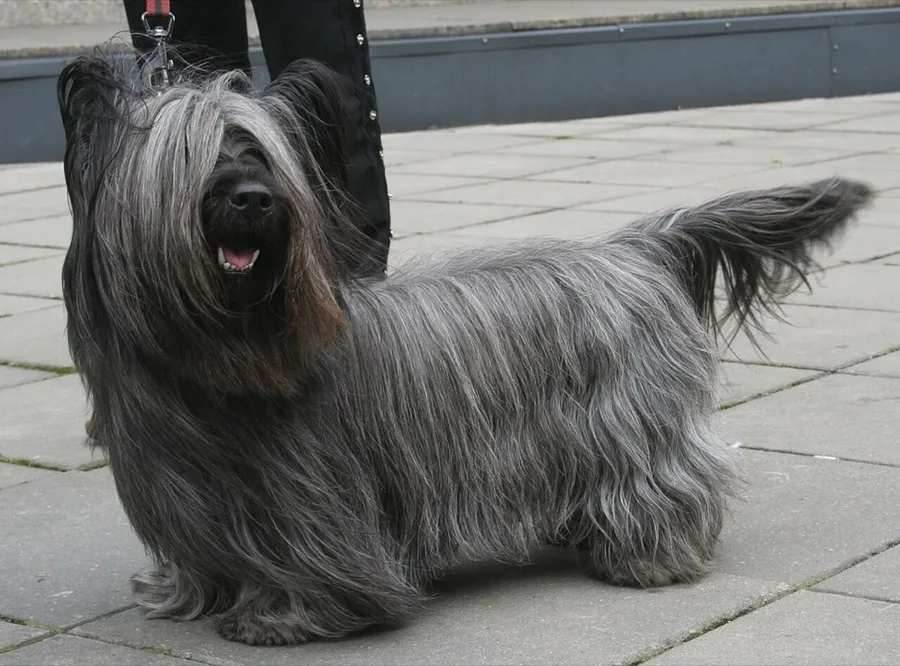
Skye Terrier
Also known as Skye
One of the oldest terrier breeds, the Skye Terrier comes from the Isle of Skye in Scotland's Inner Hebrides, where it worked to hunt foxes and otters among rocky shores. Queen Victoria's fondness for the breed made it popular in the 1800s. Skyes are loyal and good-natured with family, and often thoughtful and reserved with strangers.
At a glance
- Origin
- Scotland
- Developed
- 1600s
- Bred for
- Hunting foxes and otters on the Isle of Skye
- Height
- 9.5–10 in
- Weight
- 35–45 lb
- Life span
- 12–15 years
- Size
- Small
- Coat
- Long, hard, straight outer coat with a soft undercoat; black, gray, silver, fawn, or cream, often with black points
- Grooming
- High
- Shedding
- Moderate
- Exercise
- 30–60 minutes a day of walks and play
- Recognized by
- American Kennel Club, United Kennel Club, Fédération Cynologique Internationale, Canadian Kennel Club, The Kennel Club (UK)
Good to know
Skyes are long and low, so limiting jumping during puppyhood helps protect developing joints. Their flowing coat needs thorough brushing every week, and early socialization helps them feel at ease with new people.
Health considerations
- Skye limp (premature closure of growth plates)
- Autoimmune disorders
- Cancer
Conditions breed clubs commonly screen for. Not every dog will have them. Ask your veterinarian about your own dog.
Did you know?
Greyfriars Bobby, the famous dog said to have guarded his owner's grave in Edinburgh for 14 years, is traditionally described as a Skye Terrier.
Terrier group
Originally bred to hunt rodents and other vermin, often by digging. Typically energetic, determined, and full of personality, from small Cairns to the tall Airedale.
Every Skye Terrier is an individual.
Breed traits are tendencies, not guarantees. Your dog's genetics, early life, health, and everyday experiences all shape who they are. If you'd like help understanding the dog in front of you, let's talk.
Start a conversation