Breeds Terrier
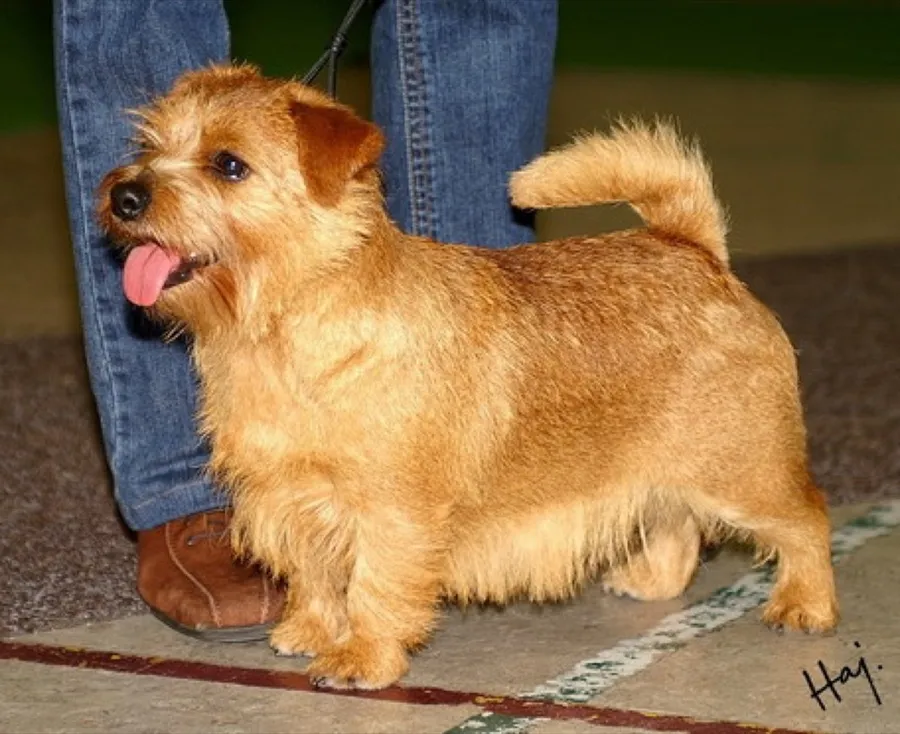
Norfolk Terrier
Also known as Norfolk
The Norfolk Terrier comes from East Anglia, England, where it was developed as a small working ratter and fox bolter. It was originally considered the drop-eared variety of the Norwich Terrier before being recognized as a separate breed. Norfolks are sturdy, cheerful, and affectionate little dogs.
At a glance
- Origin
- England
- Developed
- Late 1800s; separated from the Norwich in 1964 (KC) and 1979 (AKC)
- Bred for
- Ratting and bolting foxes
- Height
- 9–10 in
- Weight
- 11–12 lb
- Life span
- 12–16 years
- Size
- Small
- Coat
- Hard, wiry, straight coat; red, wheaten, black and tan, or grizzle
- Grooming
- Moderate
- Shedding
- Moderate
- Exercise
- 30–60 minutes a day of walks and play
- Recognized by
- American Kennel Club, United Kennel Club, Fédération Cynologique Internationale, Canadian Kennel Club, The Kennel Club (UK)
Good to know
Norfolks enjoy digging and chasing, so supervise them outdoors and practice recall. Their coat needs weekly brushing and hand-stripping a couple of times a year.
Health considerations
- Mitral valve disease
- Patellar luxation
- Hip dysplasia
Conditions breed clubs commonly screen for. Not every dog will have them. Ask your veterinarian about your own dog.
Did you know?
The only consistent difference between the Norfolk and the Norwich is the ears: the Norfolk's fold forward, while the Norwich's stand up.
Terrier group
Originally bred to hunt rodents and other vermin, often by digging. Typically energetic, determined, and full of personality, from small Cairns to the tall Airedale.
Every Norfolk Terrier is an individual.
Breed traits are tendencies, not guarantees. Your dog's genetics, early life, health, and everyday experiences all shape who they are. If you'd like help understanding the dog in front of you, let's talk.
Start a conversation