Breeds Non-Sporting
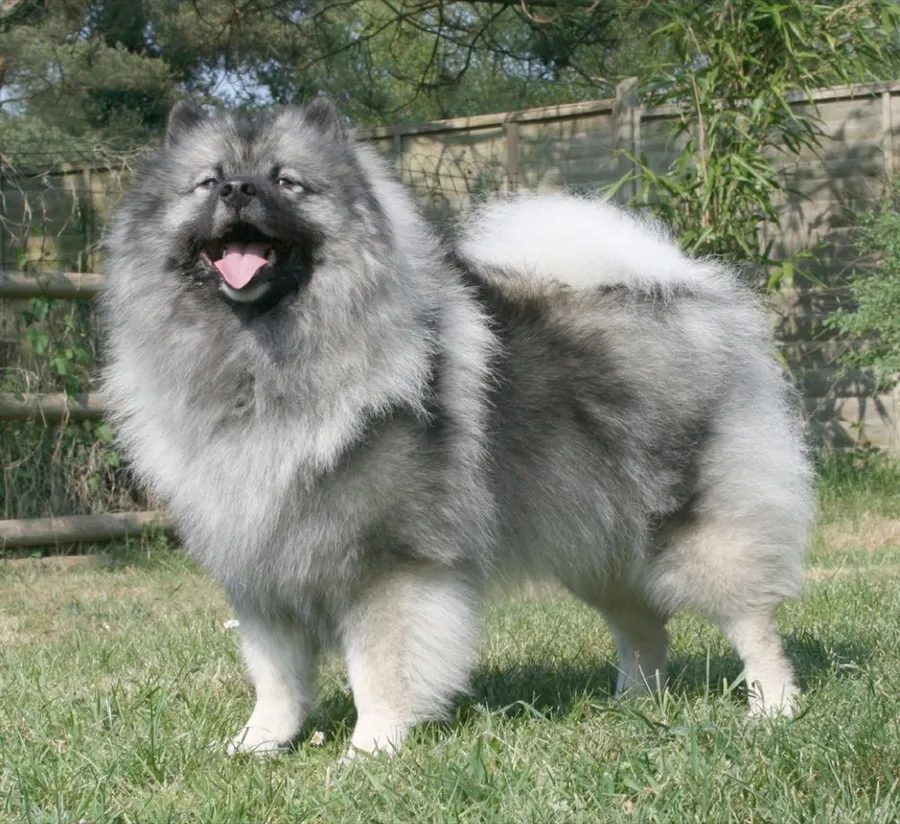
Keeshond
Also known as Dutch Barge Dog, Wolfspitz, Smiling Dutchman
The Keeshond was a watchdog and companion on barges in the Netherlands. It became a symbol of the Patriot party during the 1780s political conflict. The breed is named after Cornelis (Kees) de Gyselaer, a Patriot leader. It is known for its friendly, outgoing nature.
At a glance
- Origin
- Netherlands
- Developed
- 1700s
- Bred for
- Watchdog and companion on Dutch barges
- Height
- 17–18 in
- Weight
- 35–45 lb
- Life span
- 12–15 years
- Size
- Medium
- Coat
- Thick double coat; mix of gray, black, and cream with distinctive spectacles
- Grooming
- Moderate
- Shedding
- Seasonal
- Exercise
- About an hour a day of walks and play
- Recognized by
- American Kennel Club, United Kennel Club, Fédération Cynologique Internationale, Canadian Kennel Club, The Kennel Club (UK)
Good to know
Keeshonden thrive on companionship and may struggle with long hours alone. Their double coat needs regular brushing, especially during seasonal sheds. They are eager to please and respond well to clear, consistent training.
Health considerations
- Hip dysplasia
- Primary hyperparathyroidism
- Patellar luxation
- Epilepsy
Conditions breed clubs commonly screen for. Not every dog will have them. Ask your veterinarian about your own dog.
Did you know?
The Keeshond's distinctive markings around the eyes are called "spectacles."
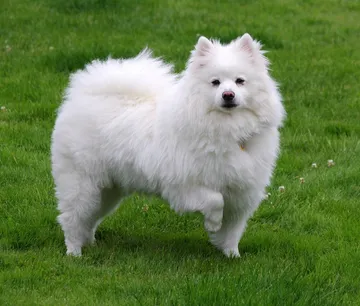
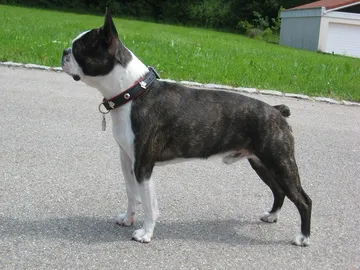
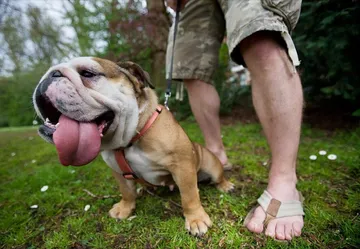
Non-Sporting group
A varied group of breeds with different histories, from the Dalmatian and Chow Chow to the Bulldog and Poodle. Size, coat, and energy vary widely.
Every Keeshond is an individual.
Breed traits are tendencies, not guarantees. Your dog's genetics, early life, health, and everyday experiences all shape who they are. If you'd like help understanding the dog in front of you, let's talk.
Start a conversation