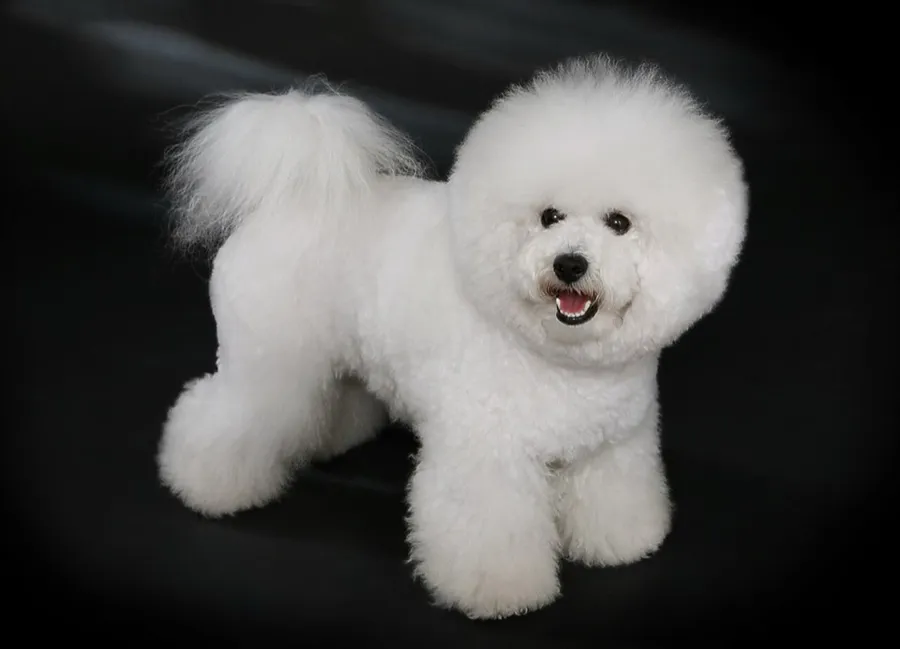
Breeds Non-Sporting
Bichon Frise
Also known as Bichon, Bichon à Poil Frisé, Bichon Tenerife
The Bichon Frise descends from small white dogs of the Mediterranean, likely carried on trading ships. It became a favorite of European nobility during the Renaissance, especially in France. When royal favor faded, Bichons became popular street and circus performers. Today they are cheerful, sociable companions.
At a glance
- Origin
- Mediterranean region; developed in France and Belgium
- Developed
- 1300s–1500s
- Bred for
- Companionship; later street and circus performing
- Height
- 9.5–11.5 in
- Weight
- 12–18 lb
- Life span
- 14–15 years
- Size
- Small
- Coat
- Soft, curly double coat; white, sometimes with cream or apricot shading
- Grooming
- High
- Shedding
- Minimal
- Exercise
- About 30–60 minutes a day of walks and play
- Recognized by
- American Kennel Club, United Kennel Club, Fédération Cynologique Internationale, Canadian Kennel Club, The Kennel Club (UK)
Good to know
Bichons need regular brushing and professional grooming to prevent mats. They can be sensitive to being left alone, so build up alone-time gradually. Housetraining can take patience and a consistent routine.
Health considerations
- Allergies
- Patellar luxation
- Bladder stones
- Cataracts
Conditions breed clubs commonly screen for. Not every dog will have them. Ask your veterinarian about your own dog.
Did you know?
"Bichon Frise" is French for "curly lap dog."
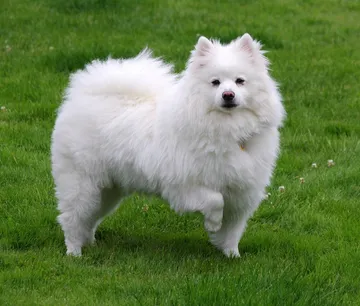
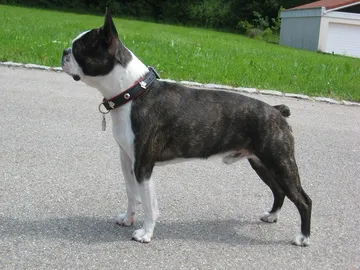
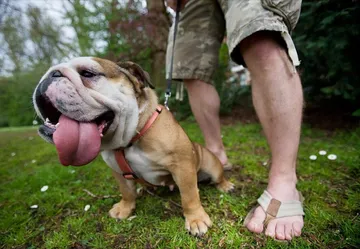
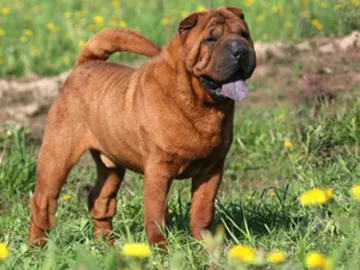
Non-Sporting group
A varied group of breeds with different histories, from the Dalmatian and Chow Chow to the Bulldog and Poodle. Size, coat, and energy vary widely.
Every Bichon Frise is an individual.
Breed traits are tendencies, not guarantees. Your dog's genetics, early life, health, and everyday experiences all shape who they are. If you'd like help understanding the dog in front of you, let's talk.
Start a conversation