Breeds Other Registries
Kangal Shepherd Dog
Also known as Kangal, Turkish Kangal Dog, Sivas Kangal
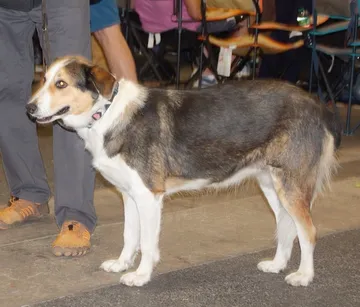
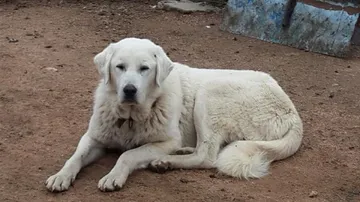
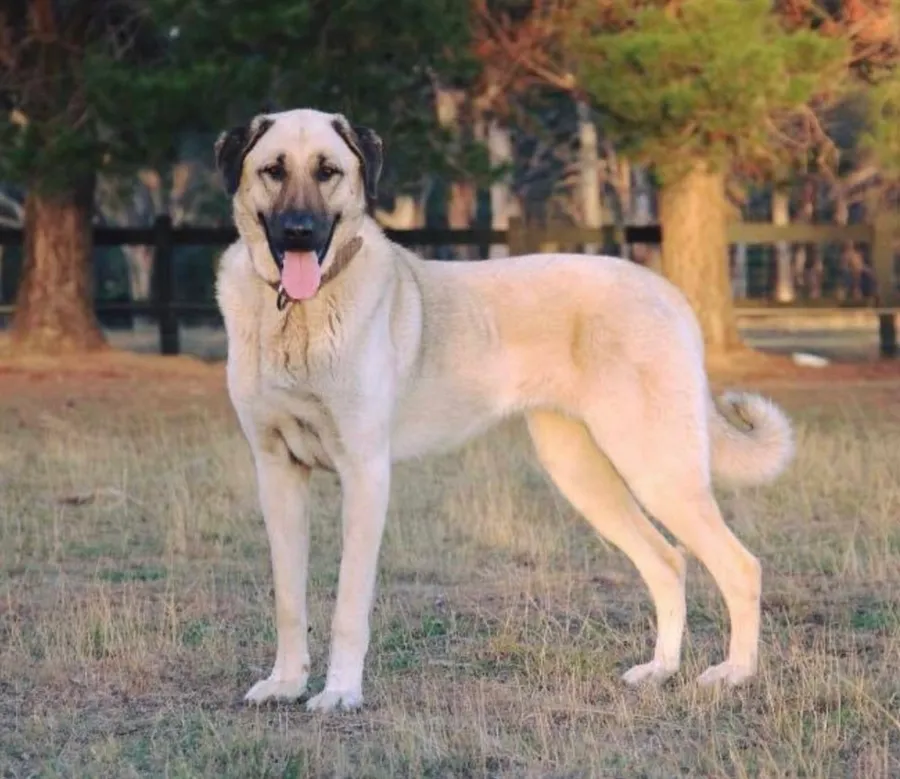
The Kangal Shepherd Dog is Turkey’s traditional flock guardian, named after the Kangal district of Sivas Province, where it has long been bred to live with livestock and protect them from wolves. It is recognized by the UKC, by FCI, and by the UK Kennel Club as the Turkish Kangal Dog; the AKC does not list it separately and registers Kangals as Anatolian Shepherd Dogs. Kangals are calm, steady, and gentle with their families and livestock, and naturally watchful of anything new.
At a glance
- Origin
- Turkey
- Developed
- Ancient; centuries old in central Anatolia
- Bred for
- Guarding sheep and goats from wolves and other predators
- Height
- 28–32 in
- Weight
- 90–145 lb
- Life span
- 12–15 years
- Size
- Giant
- Coat
- Short, dense double coat; pale fawn to dun with a black mask and ears
- Grooming
- Low
- Shedding
- Seasonal
- Exercise
- Daily walks and a large, securely fenced area to patrol
- Recognized by
- United Kennel Club, Fédération Cynologique Internationale, The Kennel Club (UK)
Good to know
Kangals are independent working guardians best suited to experienced owners with space and secure fencing. Early socialization and calm, respectful training help them distinguish normal visitors from real concerns.
Health considerations
- Hip dysplasia
- Entropion
- Hypothyroidism
Conditions breed clubs commonly screen for. Not every dog will have them. Ask your veterinarian about your own dog.
Did you know?
The Kangal is a national symbol in Turkey and has been featured on Turkish postage stamps.
Other Registries group
Breeds recognized by other registries, such as the United Kennel Club (UKC), the American Bully Kennel Club (ABKC), or international kennel clubs, but not by the AKC.
Every Kangal Shepherd Dog is an individual.
Breed traits are tendencies, not guarantees. Your dog's genetics, early life, health, and everyday experiences all shape who they are. If you'd like help understanding the dog in front of you, let's talk.
Start a conversation