Breeds Other Registries
American Bully
Also known as Bully, Am Bully
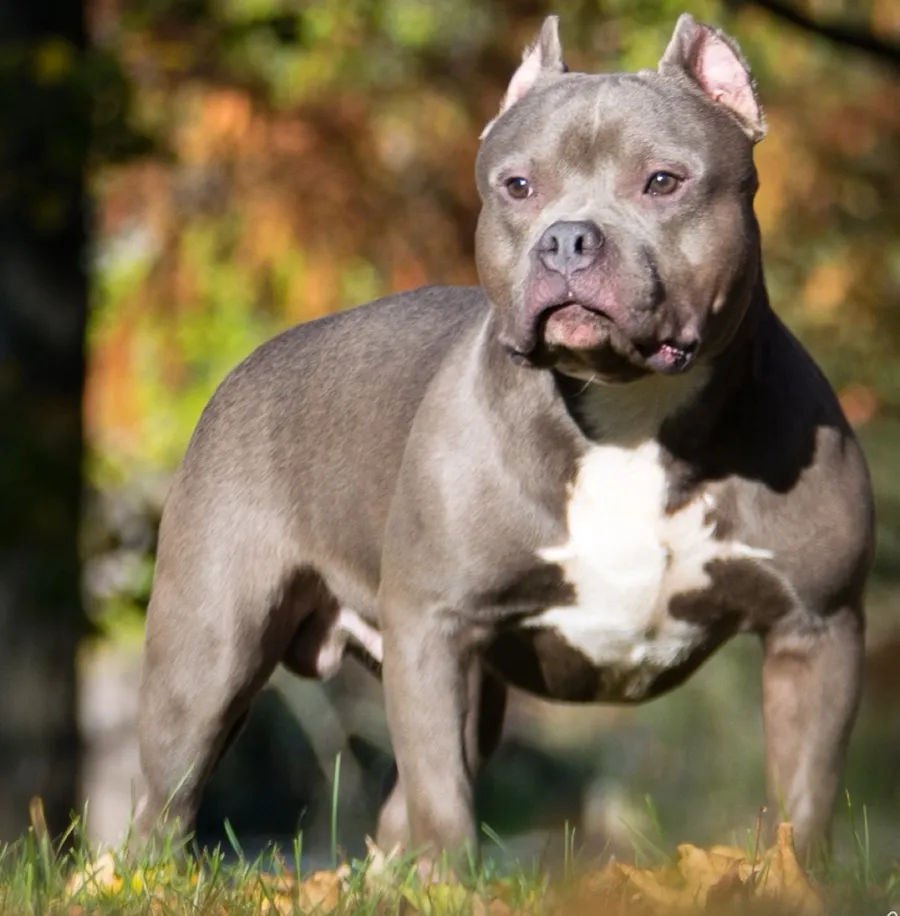
The American Bully was developed in the United States starting in the late 1980s and 1990s, mainly from American Pit Bull Terrier and American Staffordshire Terrier lines, with the goal of a heavily muscled, family-oriented companion. The American Bully Kennel Club (founded 2004) and the United Kennel Club (since 2013) recognize the breed. Varieties are defined mostly by height: Pocket (males 14–17 in, females 13–16 in), Standard (males 17–20 in, females 16–19 in), Classic (Standard height with a lighter, less bulky frame), and XL (males 20–23 in, females 19–22 in). Breed standards call for a confident, friendly, and stable temperament.
At a glance
- Origin
- United States
- Developed
- 1980s–1990s
- Bred for
- Family companionship
- Height
- 13–23 in
- Weight
- 40–120 lb (proportionate to height; varies widely by variety)
- Life span
- 10–13 years
- Size
- Medium
- Coat
- Short, close, glossy coat in any color or pattern except merle
- Grooming
- Low
- Shedding
- Moderate
- Exercise
- About an hour a day of walks, play, and training
- Recognized by
- United Kennel Club, American Bully Kennel Club
Good to know
American Bullies are generally people-focused and do well with daily moderate exercise, clear, consistent training, and early socialization. Heavier, short-muzzled lines can tire in heat, so keep them lean and cool. Some places, including England and Wales, now regulate the XL type, so check local rules before choosing a dog.
Health considerations
- Hip dysplasia
- Elbow dysplasia
- Brachycephalic airway issues
- Allergies and skin conditions
Conditions breed clubs commonly screen for. Not every dog will have them. Ask your veterinarian about your own dog.
Did you know?
The ABKC also recognizes an “Extreme” variety, which has Standard height but an even heavier build.
Other Registries group
Breeds recognized by other registries, such as the United Kennel Club (UKC), the American Bully Kennel Club (ABKC), or international kennel clubs, but not by the AKC.
Every American Bully is an individual.
Breed traits are tendencies, not guarantees. Your dog's genetics, early life, health, and everyday experiences all shape who they are. If you'd like help understanding the dog in front of you, let's talk.
Start a conversation