Breeds Terrier
Cesky Terrier
Also known as Bohemian Terrier, Czech Terrier, Český Teriér
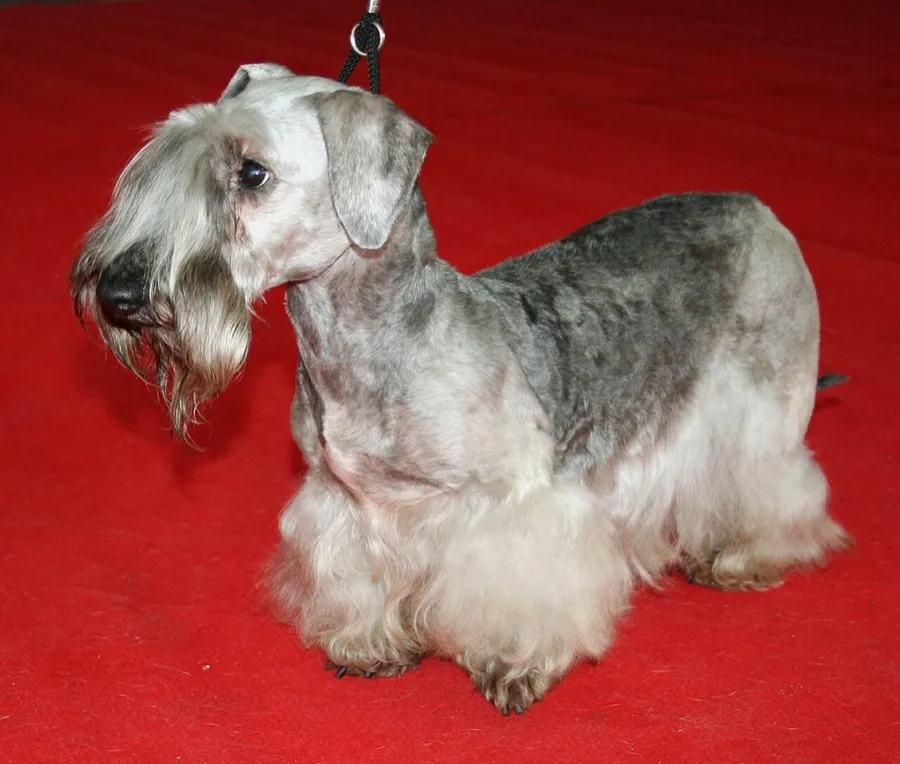
Czech geneticist and hunter František Horák created the Cesky Terrier starting in 1949 by crossing the Sealyham and Scottish Terriers, aiming for a hunting terrier that could work in packs. The breed is clipped rather than hand-stripped, giving it a distinctive soft look. Ceskys are generally calmer and more easygoing than many terriers.
At a glance
- Origin
- Czech Republic
- Developed
- 1940s
- Bred for
- Hunting foxes, badgers, and vermin in packs, above and below ground
- Height
- 10–13 in
- Weight
- 14–24 lb
- Life span
- 12–15 years
- Size
- Small
- Coat
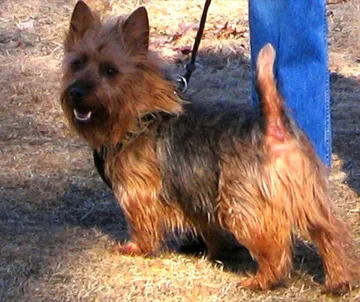
- Long, soft, silky coat with a slight wave; gray in shades from charcoal to platinum
- Grooming
- High
- Shedding
- Minimal
- Exercise
- About an hour a day of walks and play
- Recognized by
- American Kennel Club, United Kennel Club, Fédération Cynologique Internationale, Canadian Kennel Club, The Kennel Club (UK)
Good to know
Ceskys are often reserved with strangers, so early socialization helps them feel comfortable. The silky coat needs brushing a few times a week and regular clipping.
Health considerations
- Scottie cramp
- Patellar luxation
- Lens luxation
Conditions breed clubs commonly screen for. Not every dog will have them. Ask your veterinarian about your own dog.
Did you know?
The Cesky Terrier has appeared on Czech postage stamps and is considered a national breed of the Czech Republic.
Terrier group
Originally bred to hunt rodents and other vermin, often by digging. Typically energetic, determined, and full of personality, from small Cairns to the tall Airedale.
Every Cesky Terrier is an individual.
Breed traits are tendencies, not guarantees. Your dog's genetics, early life, health, and everyday experiences all shape who they are. If you'd like help understanding the dog in front of you, let's talk.
Start a conversation