Breeds Sporting
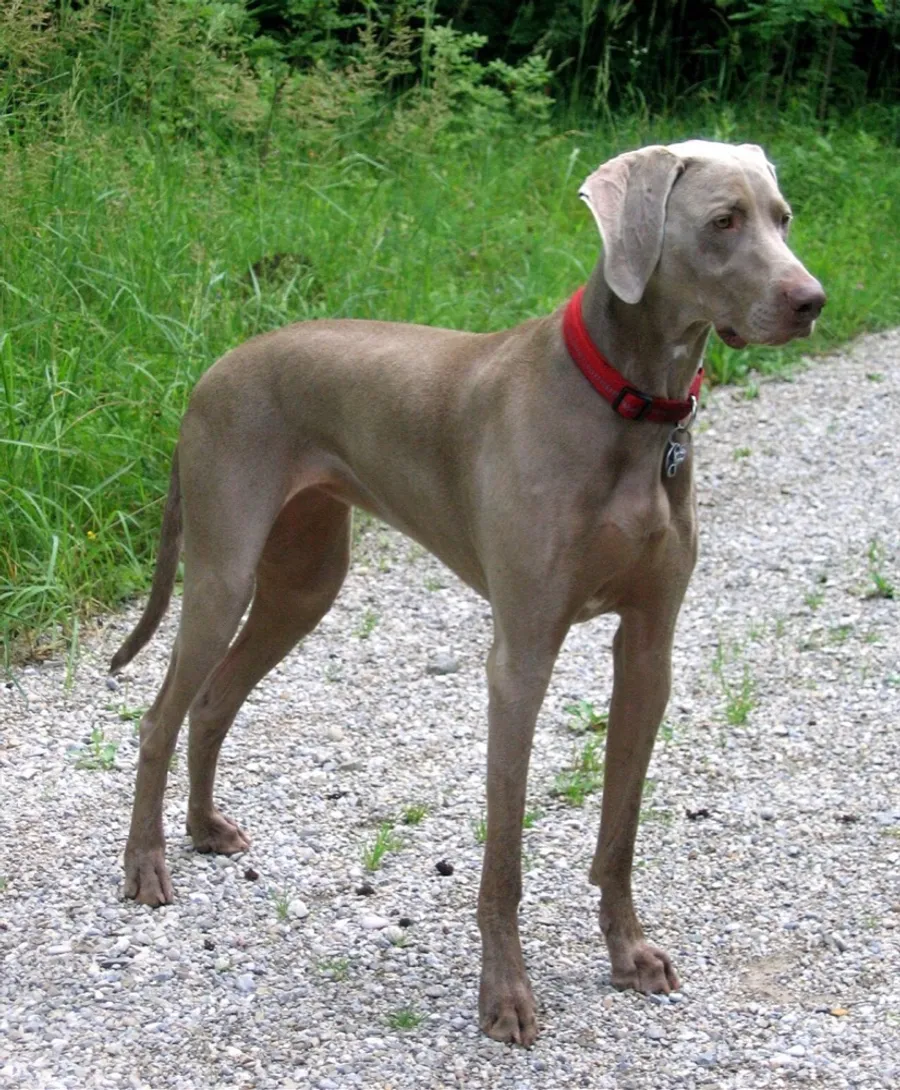
Weimaraner
Also known as Weimaraner Vorstehhund, Gray Ghost
The Weimaraner was developed by nobles at the court of Weimar in Germany as an all-around hunting dog, originally used on large game such as deer and boar and later on birds. Its sleek silver-gray coat and light eyes give it a distinctive look. Weimaraners are affectionate, people-oriented dogs with great stamina.
At a glance
- Origin
- Germany
- Developed
- Early 1800s
- Bred for
- Hunting large game, later pointing and retrieving birds
- Height
- 23–27 in
- Weight
- 55–90 lb
- Life span
- 10–13 years
- Size
- Large
- Coat
- Short, smooth, sleek coat; mouse-gray to silver-gray
- Grooming
- Low
- Shedding
- Moderate
- Exercise
- 1–2+ hours a day of vigorous exercise
- Recognized by
- American Kennel Club, United Kennel Club, Fédération Cynologique Internationale, Canadian Kennel Club, The Kennel Club (UK)
Good to know
Weimaraners need a lot of exercise and companionship and may become anxious if left alone for long periods. Consistent, clear, consistent training and early socialization are important for this strong, energetic breed.
Health considerations
- Bloat (gastric dilatation-volvulus)
- Hip dysplasia
- Hypertrophic osteodystrophy
- Von Willebrand disease
Conditions breed clubs commonly screen for. Not every dog will have them. Ask your veterinarian about your own dog.
Did you know?
Photographer William Wegman became famous for his whimsical portraits of his Weimaraners, many of which appeared on Sesame Street.
Sporting group
Retrievers, pointers, setters, and spaniels, developed to help hunters find and retrieve game. Typically active, people-focused, and happiest with regular exercise and a job to do.
Every Weimaraner is an individual.
Breed traits are tendencies, not guarantees. Your dog's genetics, early life, health, and everyday experiences all shape who they are. If you'd like help understanding the dog in front of you, let's talk.
Start a conversation