Breeds Working
Saint Bernard
Also known as St. Bernard, Bernhardiner
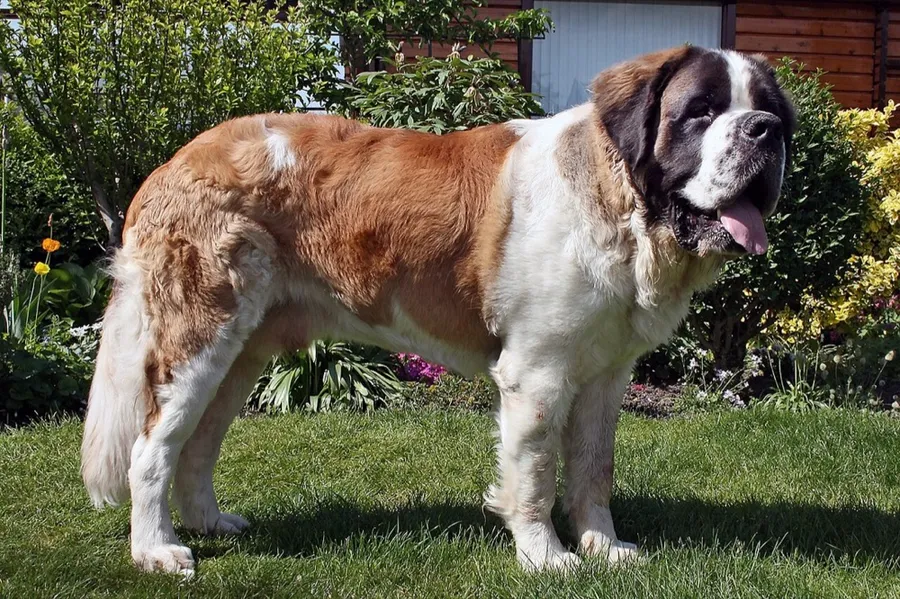
The Saint Bernard was developed by monks at the Great St. Bernard Hospice in the Swiss Alps, where the dogs guided travelers and found people lost in snow. Their keen sense of direction and resistance to cold made them invaluable on the dangerous pass. Today they are gentle, patient family companions.
At a glance
- Origin
- Switzerland
- Developed
- 1600s–1700s
- Bred for
- Mountain rescue and guarding at the Great St. Bernard Hospice
- Height
- 26–30+ in
- Weight
- 120–180 lb
- Life span
- 8–10 years
- Size
- Giant
- Coat
- Short-haired or long-haired; white with red or brindle markings, or red with white
- Grooming
- Moderate
- Shedding
- Heavy
- Exercise
- Moderate daily walks; avoid heat and strenuous exercise while growing
- Recognized by
- American Kennel Club, United Kennel Club, Fédération Cynologique Internationale, Canadian Kennel Club, The Kennel Club (UK)
Good to know
Start training and leash manners early, as adults are very large and strong. Expect drool, regular grooming, and heat sensitivity. Puppies need slow, steady growth and limited high-impact exercise.
Health considerations
- Hip dysplasia
- Elbow dysplasia
- Gastric dilatation-volvulus (bloat)
- Dilated cardiomyopathy
Conditions breed clubs commonly screen for. Not every dog will have them. Ask your veterinarian about your own dog.
Did you know?
A hospice dog named Barry is credited with saving more than 40 lives in the early 1800s, and his preserved body is displayed at the Natural History Museum in Bern.
Working group
Guardians, sled dogs, draft dogs, and rescue dogs. Often large and strong, intelligent, and capable of serious work. Early socialization and consistent training matter.
Every Saint Bernard is an individual.
Breed traits are tendencies, not guarantees. Your dog's genetics, early life, health, and everyday experiences all shape who they are. If you'd like help understanding the dog in front of you, let's talk.
Start a conversation