Breeds Working
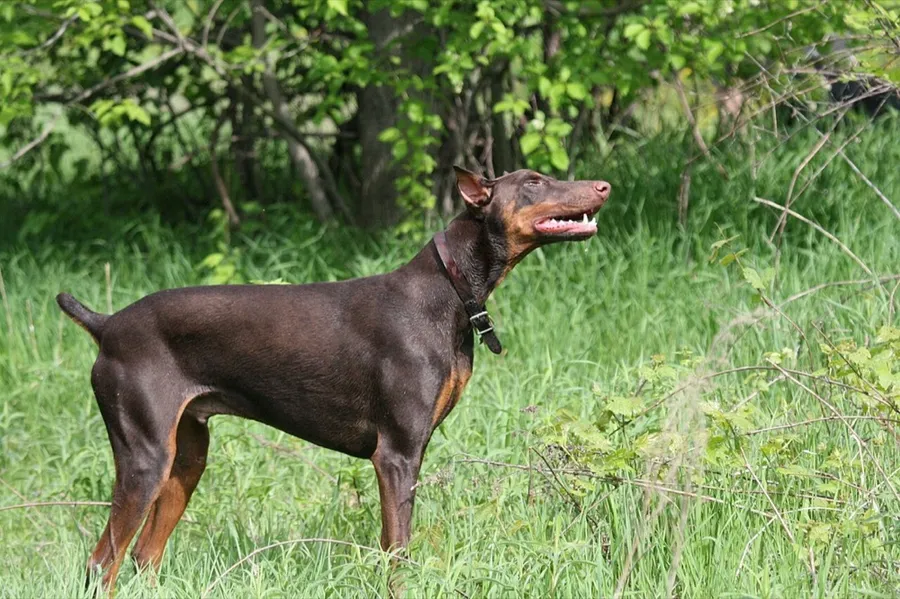
Doberman Pinscher
Also known as Doberman, Dobermann, Dobie
The Doberman was developed in Apolda, Germany, by Louis Dobermann, a tax collector who wanted a capable companion to accompany him on his rounds. The breed's athleticism and trainability made it a favorite for police, military, and service roles. Dobermans are sensitive, people-oriented dogs that bond closely with their families.
At a glance
- Origin
- Germany
- Developed
- 1890s
- Bred for
- Personal protection; later police, military, and service work
- Height
- 24–28 in
- Weight
- 60–100 lb
- Life span
- 10–12 years
- Size
- Large
- Coat
- Short, smooth, close-lying coat; black, red, blue, or fawn (Isabella) with rust markings
- Grooming
- Low
- Shedding
- Moderate
- Exercise
- 1–2 hours a day of exercise plus training and mental work
- Recognized by
- American Kennel Club, United Kennel Club, Fédération Cynologique Internationale, Canadian Kennel Club, The Kennel Club (UK)
Good to know
Dobermans thrive on training, structure, and companionship and do not do well when left alone for long periods. Early socialization helps them stay confident. Regular cardiac screening is strongly recommended because of the breed's risk for dilated cardiomyopathy.
Health considerations
- Dilated cardiomyopathy
- Von Willebrand disease
- Wobbler syndrome (cervical spondylomyelopathy)
- Hip dysplasia
Conditions breed clubs commonly screen for. Not every dog will have them. Ask your veterinarian about your own dog.
Did you know?
A Doberman named Kurt was the first canine casualty of the Battle of Guam in 1944 and is honored at the National War Dog Cemetery there.
Working group
Guardians, sled dogs, draft dogs, and rescue dogs. Often large and strong, intelligent, and capable of serious work. Early socialization and consistent training matter.
Every Doberman Pinscher is an individual.
Breed traits are tendencies, not guarantees. Your dog's genetics, early life, health, and everyday experiences all shape who they are. If you'd like help understanding the dog in front of you, let's talk.
Start a conversation