Breeds Hound
Dachshund
Also known as Teckel, Dackel, Wiener Dog
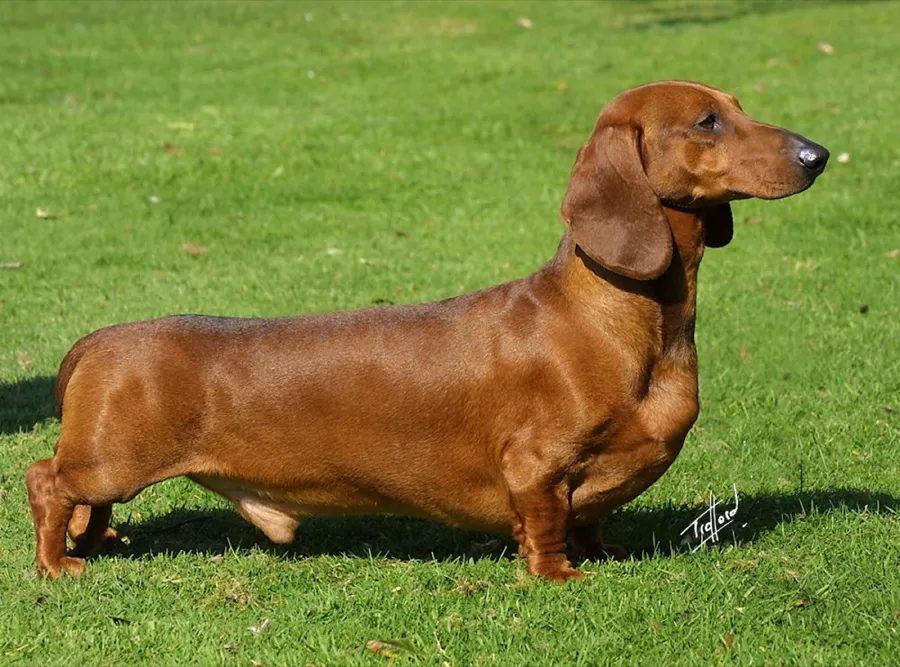
The Dachshund was developed in Germany to pursue badgers into their dens, which explains its long body, short legs, and bold attitude. The breed comes in standard and miniature sizes and three coat types. Dachshunds are spirited, curious, and very attached to their families.
At a glance
- Origin
- Germany
- Developed
- 1600s
- Bred for
- Hunting badgers and other burrowing animals above and below ground
- Height
- 5–9 in
- Weight
- Up to 32 lb (miniatures 11 lb and under)
- Life span
- 12–16 years
- Size
- Small
- Coat
- Smooth, wirehaired, or longhaired varieties in many colors and patterns
- Grooming
- Moderate
- Shedding
- Moderate
- Exercise
- 30–60 minutes a day of walks, play, and sniffing
- Recognized by
- American Kennel Club, United Kennel Club, Fédération Cynologique Internationale, Canadian Kennel Club, The Kennel Club (UK)
Good to know
Protect their long backs by keeping them lean and limiting jumping from furniture. They can be vocal and independent, so early socialization and consistent, fair training help.
Health considerations
- Intervertebral disc disease
- Obesity
- Patellar luxation
- Progressive retinal atrophy
Conditions breed clubs commonly screen for. Not every dog will have them. Ask your veterinarian about your own dog.
Did you know?
A Dachshund named Waldi was the first official mascot of the Olympic Games, at Munich in 1972.
Hound group
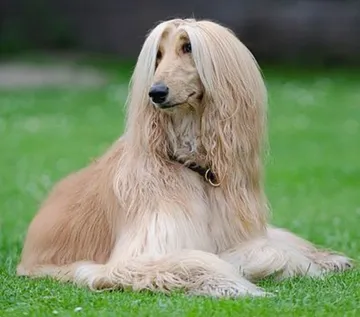
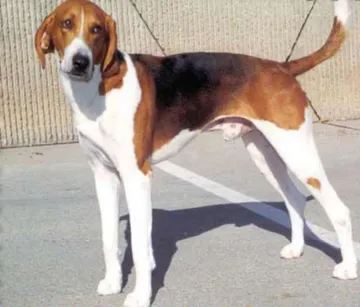
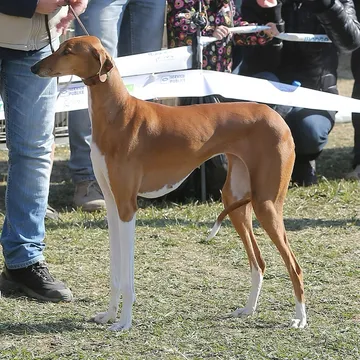
Dogs bred to hunt by scent (like Beagles and Bloodhounds) or by sight and speed (like Greyhounds and Salukis). Many are independent thinkers with strong instincts to follow a trail or chase.
Every Dachshund is an individual.
Breed traits are tendencies, not guarantees. Your dog's genetics, early life, health, and everyday experiences all shape who they are. If you'd like help understanding the dog in front of you, let's talk.
Start a conversation