Breeds Working
Chinook
The Chinook was developed by Arthur Walden in Wonalancet, New Hampshire, beginning with a lead dog named Chinook born in 1917. Walden's dogs took part in Admiral Richard Byrd's 1928 Antarctic expedition. The breed became very rare by the 1960s and was carefully rebuilt; it is known for its gentle, family-oriented personality.
At a glance
- Origin
- United States (New Hampshire)
- Developed
- Early 1900s
- Bred for
- Sled dog work combining strength, speed, and endurance
- Height
- 22–26 in
- Weight
- 50–90 lb
- Life span
- 12–15 years
- Size
- Large
- Coat
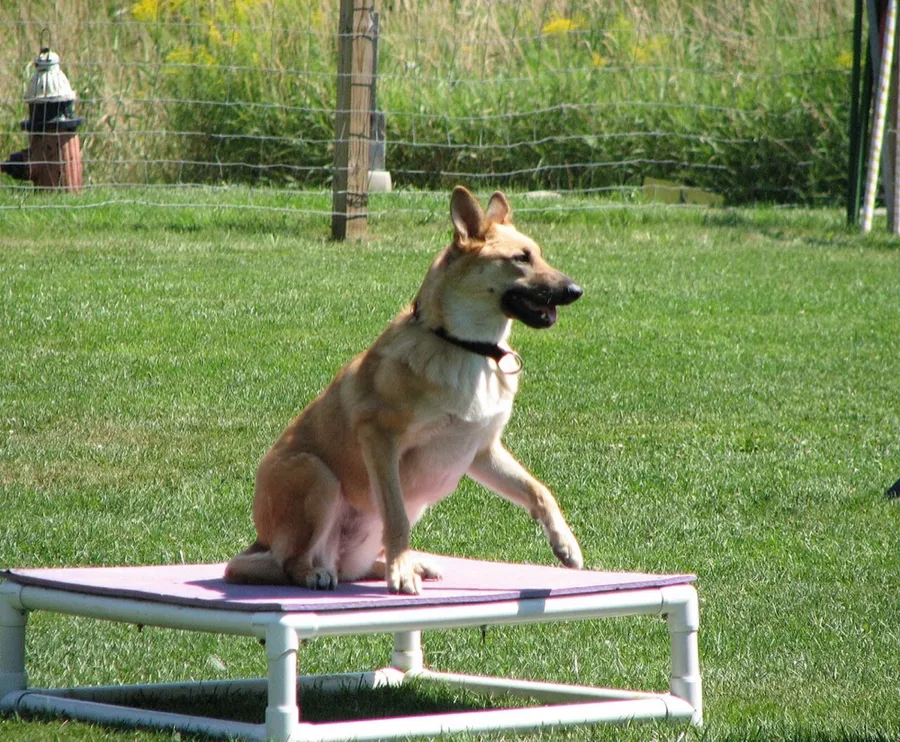
- Medium-length, close-fitting double coat; tawny, from pale honey to deep reddish-gold, with darker ear and muzzle markings
- Grooming
- Moderate
- Shedding
- Seasonal
- Exercise
- About 1 hour a day; enjoys hiking, carting, skijoring, and sledding
- Recognized by
- American Kennel Club, United Kennel Club
Good to know
Chinooks are sociable and do best with plenty of time with their people. They are generally cooperative learners who respond well to clear, consistent training, and they need regular activity to stay content.
Health considerations
- Hip dysplasia
- Seizure disorders
- Cryptorchidism
- Allergies
Conditions breed clubs commonly screen for. Not every dog will have them. Ask your veterinarian about your own dog.
Did you know?
The Chinook is the official state dog of New Hampshire.
Working group
Guardians, sled dogs, draft dogs, and rescue dogs. Often large and strong, intelligent, and capable of serious work. Early socialization and consistent training matter.
Every Chinook is an individual.
Breed traits are tendencies, not guarantees. Your dog's genetics, early life, health, and everyday experiences all shape who they are. If you'd like help understanding the dog in front of you, let's talk.
Start a conversation