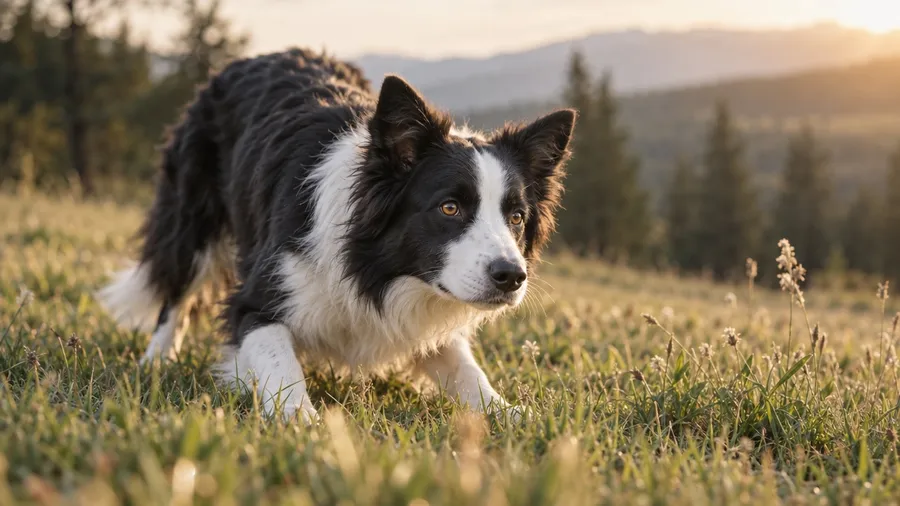
Breeds Herding
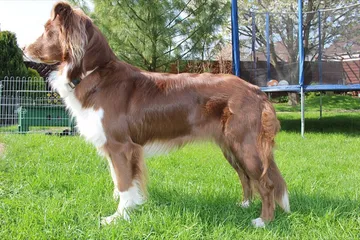
Border Collie
Also known as Scottish Sheepdog, Working Collie
Developed along the border between Scotland and England, the Border Collie was bred strictly for its ability to gather and control sheep using its focused gaze, or eye. Modern lines trace back to a dog named Old Hemp, born in 1893, whose quiet, powerful style became the model for the breed. Border Collies are widely considered among the most trainable of all dogs and dominate herding trials, agility, and obedience.
At a glance
- Origin
- Anglo-Scottish border region (United Kingdom)
- Developed
- 1800s
- Bred for
- Gathering and herding sheep
- Height
- 18–22 in
- Weight
- 30–55 lb
- Life span
- 12–15 years
- Size
- Medium
- Coat
- Rough (medium-length) or smooth (short) double coat; many colors, most often black and white
- Grooming
- Moderate
- Shedding
- Seasonal
- Exercise
- 1–2+ hours a day, plus daily training and mental work
- Recognized by
- American Kennel Club, United Kennel Club, Fédération Cynologique Internationale, Canadian Kennel Club, The Kennel Club (UK)
Good to know
Border Collies need meaningful daily work, not just exercise, and may develop obsessive habits like chasing shadows, cars, or lights when bored. Teaching an off switch and providing herding, agility, or trick training helps. Many are sensitive to sound and motion, so gentle socialization is important.
Health considerations
- Hip dysplasia
- Collie eye anomaly
- Epilepsy
- Trapped neutrophil syndrome
Conditions breed clubs commonly screen for. Not every dog will have them. Ask your veterinarian about your own dog.
Did you know?
A Border Collie named Chaser learned the names of more than 1,000 toys and could retrieve them by name.
Herding group
Dogs developed to gather, drive, and protect livestock. Usually intelligent, responsive, and energetic, with a strong instinct to control movement.
Every Border Collie is an individual.
Breed traits are tendencies, not guarantees. Your dog's genetics, early life, health, and everyday experiences all shape who they are. If you'd like help understanding the dog in front of you, let's talk.
Start a conversation