Breeds Herding
Bergamasco Sheepdog
Also known as Bergamasco, Cane da Pastore Bergamasco
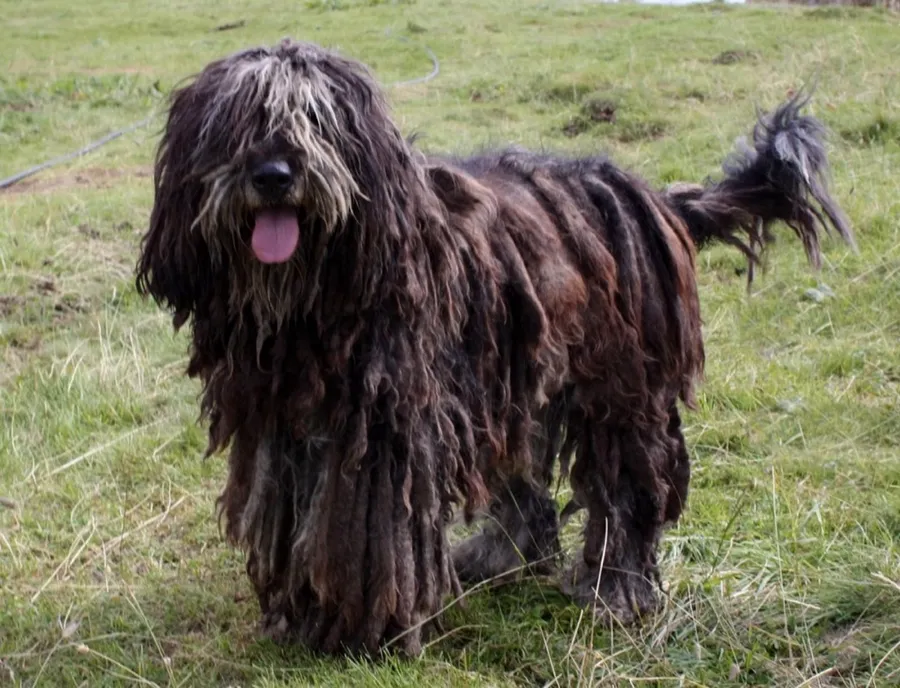
The Bergamasco worked alongside shepherds in the Alps around Bergamo, guiding flocks over mountain terrain. Its signature coat naturally forms flat, felted mats that protect it from cold and weather. Bergamascos are thoughtful, steady dogs that often make decisions on their own, a trait valued when working far from the shepherd.
At a glance
- Origin
- Italy
- Developed
- Ancient; developed in the Alps near Bergamo over centuries
- Bred for
- Herding and guarding flocks in the Italian Alps
- Height
- 22–23.5 in
- Weight
- 57–84 lb
- Life span
- 13–15 years
- Size
- Large
- Coat
- Unique felted coat of three hair types that forms flat mats called flocks; gray to black shades
- Grooming
- Moderate
- Shedding
- Minimal
- Exercise
- About 1 hour a day of walks and outdoor activity
- Recognized by
- American Kennel Club, United Kennel Club, Fédération Cynologique Internationale, Canadian Kennel Club, The Kennel Club (UK)
Good to know
The coat must be separated into flocks by hand during adolescence, but after that it needs surprisingly little upkeep and only occasional baths. Bergamascos are calm but independent, and early socialization helps balance their natural watchfulness.
Health considerations
- Hip dysplasia
- Elbow dysplasia
Conditions breed clubs commonly screen for. Not every dog will have them. Ask your veterinarian about your own dog.
Did you know?
A fully developed Bergamasco coat can take five to six years to grow, and the flocks may reach the ground.
Herding group
Dogs developed to gather, drive, and protect livestock. Usually intelligent, responsive, and energetic, with a strong instinct to control movement.
Every Bergamasco Sheepdog is an individual.
Breed traits are tendencies, not guarantees. Your dog's genetics, early life, health, and everyday experiences all shape who they are. If you'd like help understanding the dog in front of you, let's talk.
Start a conversation