Breeds Hound
Basset Hound
Also known as Basset
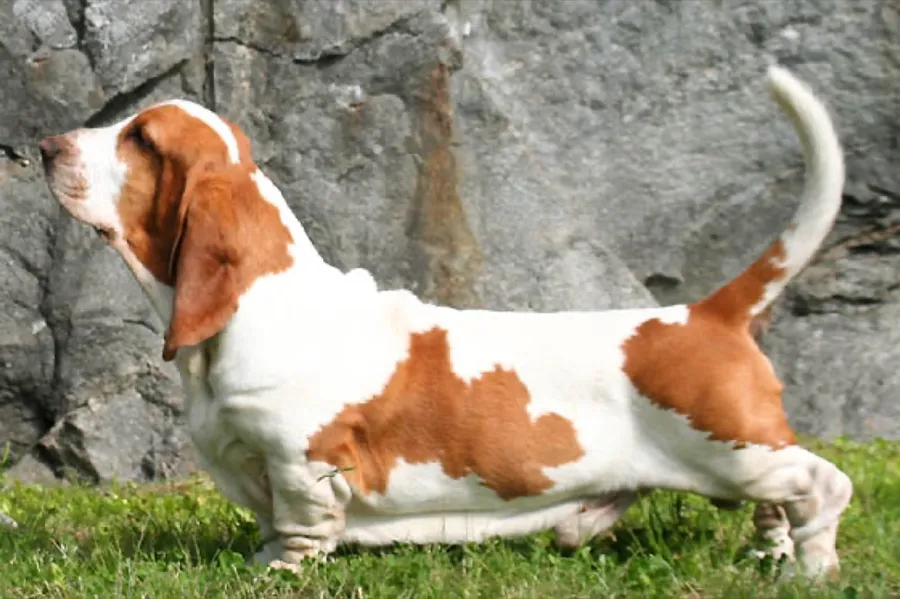
The Basset Hound originated in France, where its short legs kept it slow enough for hunters on foot to follow. Its scenting ability is second only to the Bloodhound, aided by long ears and loose skin that help gather scent. Bassets are known for being easygoing, sociable, and good-humored.
At a glance
- Origin
- France
- Developed
- 1500s
- Bred for
- Trailing rabbit and hare by scent, with hunters following on foot
- Height
- Up to 15 in
- Weight
- 40–65 lb
- Life span
- 12–13 years
- Size
- Medium
- Coat
- Short, smooth, dense coat in any recognized hound color
- Grooming
- Low
- Shedding
- Moderate
- Exercise
- 30–60 minutes a day of walks, with time to sniff
- Recognized by
- American Kennel Club, United Kennel Club, Fédération Cynologique Internationale, Canadian Kennel Club, The Kennel Club (UK)
Good to know
Bassets are heavy for their height, so keep them lean to protect their backs and joints. Their long ears need regular cleaning, and once on a scent they can be very single-minded.
Health considerations
- Ear infections
- Glaucoma
- Intervertebral disc disease
- Obesity
Conditions breed clubs commonly screen for. Not every dog will have them. Ask your veterinarian about your own dog.
Did you know?
The name comes from the French word bas, meaning low.
Hound group
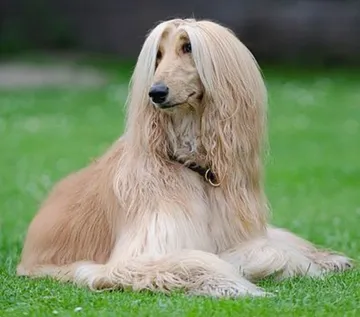
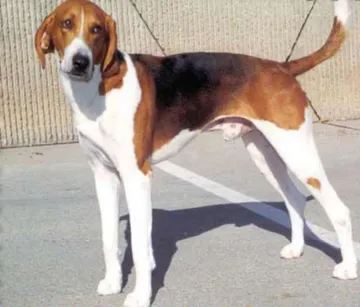
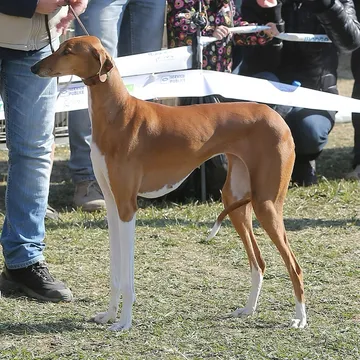
Dogs bred to hunt by scent (like Beagles and Bloodhounds) or by sight and speed (like Greyhounds and Salukis). Many are independent thinkers with strong instincts to follow a trail or chase.
Every Basset Hound is an individual.
Breed traits are tendencies, not guarantees. Your dog's genetics, early life, health, and everyday experiences all shape who they are. If you'd like help understanding the dog in front of you, let's talk.
Start a conversation