Breeds Toy
Affenpinscher
Also known as Monkey Terrier, Affen
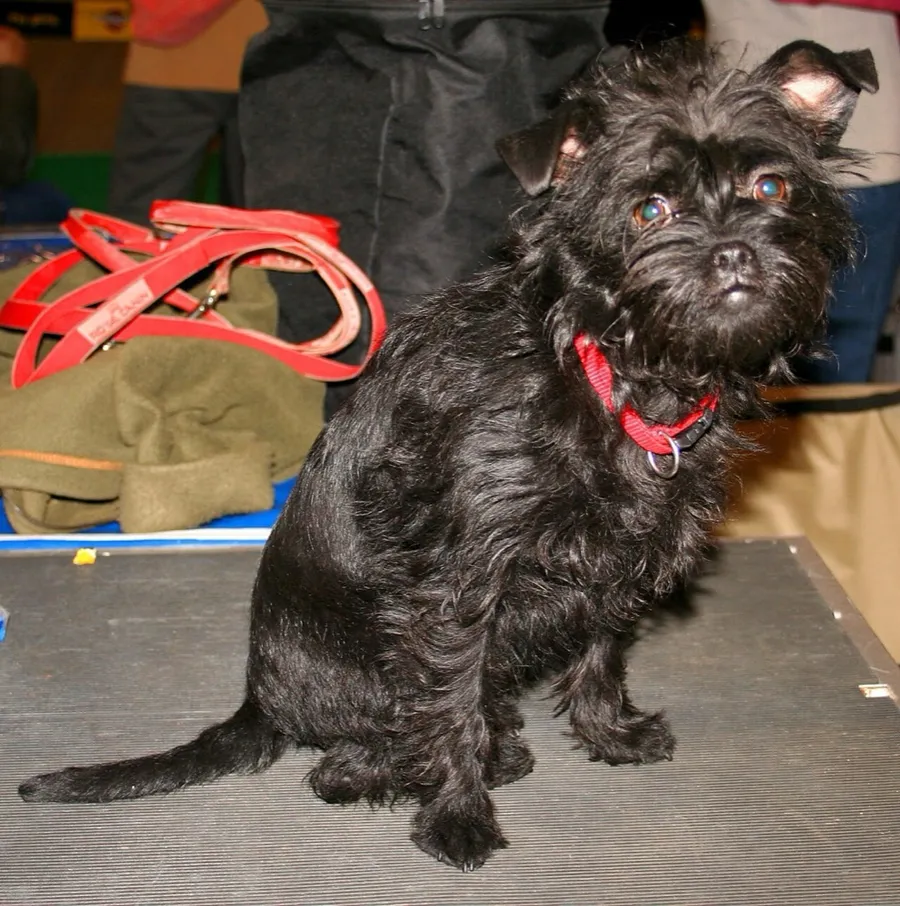
The Affenpinscher was developed in Germany as a small ratter that kept stables and homes free of vermin. Its name means "monkey terrier," a nod to its expressive, whiskered face. Over time breeders refined it into a companion, and it is thought to have contributed to the development of the Brussels Griffon. It is a bold, comical little dog that takes itself quite seriously.
At a glance
- Origin
- Germany
- Developed
- 1600s
- Bred for
- Catching rats and mice in stables, kitchens, and shops; later a companion
- Height
- 9–11.5 in
- Weight
- 7–10 lb
- Life span
- 12–15 years
- Size
- Toy
- Coat
- Rough, wiry coat about an inch long, longer on the head; black, gray, silver, red, black and tan, or belge
- Grooming
- Moderate
- Shedding
- Minimal
- Exercise
- 30–45 minutes a day of walks and indoor play
- Recognized by
- American Kennel Club, United Kennel Club, Fédération Cynologique Internationale, Canadian Kennel Club, The Kennel Club (UK)
Good to know
Affenpinschers are bright but can be independent, so short, upbeat engaging sessions work best. Their small size makes them vulnerable to injury from rough handling, so supervise interactions with young children. Regular brushing and occasional hand-stripping keep the coat tidy.
Health considerations
- Patellar luxation
- Legg-Calvé-Perthes disease
- Hip dysplasia
Conditions breed clubs commonly screen for. Not every dog will have them. Ask your veterinarian about your own dog.
Did you know?
An Affenpinscher named Banana Joe won Best in Show at the Westminster Kennel Club Dog Show in 2013.
Toy group
Small companion breeds, many developed for life alongside people. Small in size but often big in personality; they still need training, enrichment, and gentle handling.
Every Affenpinscher is an individual.
Breed traits are tendencies, not guarantees. Your dog's genetics, early life, health, and everyday experiences all shape who they are. If you'd like help understanding the dog in front of you, let's talk.
Start a conversation